Education: A core element of our CSR approach
February 16, 2026 11 minutes

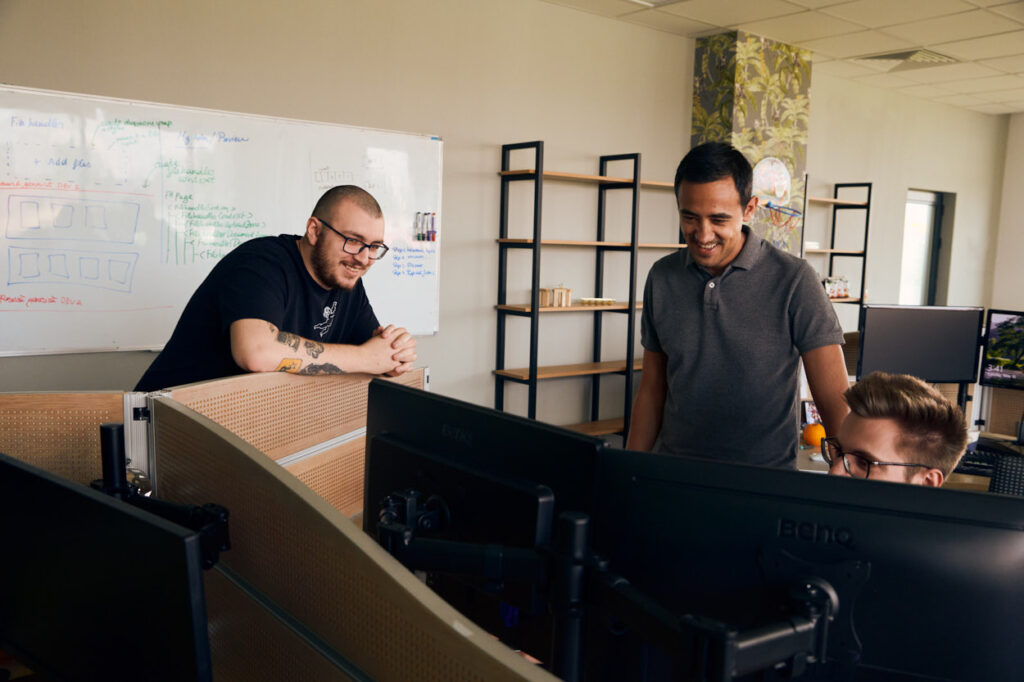
Education CSR at NetRom Software is rooted in the belief that learning is a fundamental driver of long-term development. Education contributes not only to individual growth, but also to the progress of communities and industries. For this reason, our corporate social responsibility (CSR) initiatives over the past 20 years have consistently focused on education.
As expectations around sustainability, transparency, and measurable impact continue to evolve, education remains a central component of our approach. It supports our ambition to operate as a responsible organization that is prepared to address future challenges in a structured and sustainable manner.
In the technology sector, innovation is closely linked to knowledge and continuous learning. Every software solution, architectural decision, or line of code is ultimately the result of individuals who have had access to education, guidance, and professional development.
For this reason, education is not only a component of our CSR activities. It is also embedded in our Sustainability Report and in the “2025–2030 Strategy,” particularly within the “People & Communities” pillar. In addition, our focus on education aligns with the objectives of the United Nations Sustainable Development Goals, specifically Goal 4: “Quality Education.”
Beyond formal strategy documents and reporting frameworks, we consider education to be an area where we can create measurable and long-term impact. Our involvement goes beyond financial support. Employees contribute time, expertise, and practical experience. This direct engagement is an important part of our organizational culture and is widely supported across the company.
Our educational initiatives are designed to be accessible and relevant. We recognize that effective learning is most sustainable when it connects theory to real-world practice.
This approach includes:
Each initiative is guided by the same principle: investing in people contributes to long-term societal and economic development.
As we further formalize our sustainability commitments through CSRD and ESG reporting, educational initiatives play an increasingly important role. They demonstrate how strategic objectives are translated into concrete actions, while supporting transparency, accountability, and community involvement.
Below, we outline two recent initiatives that illustrate this approach in practice.
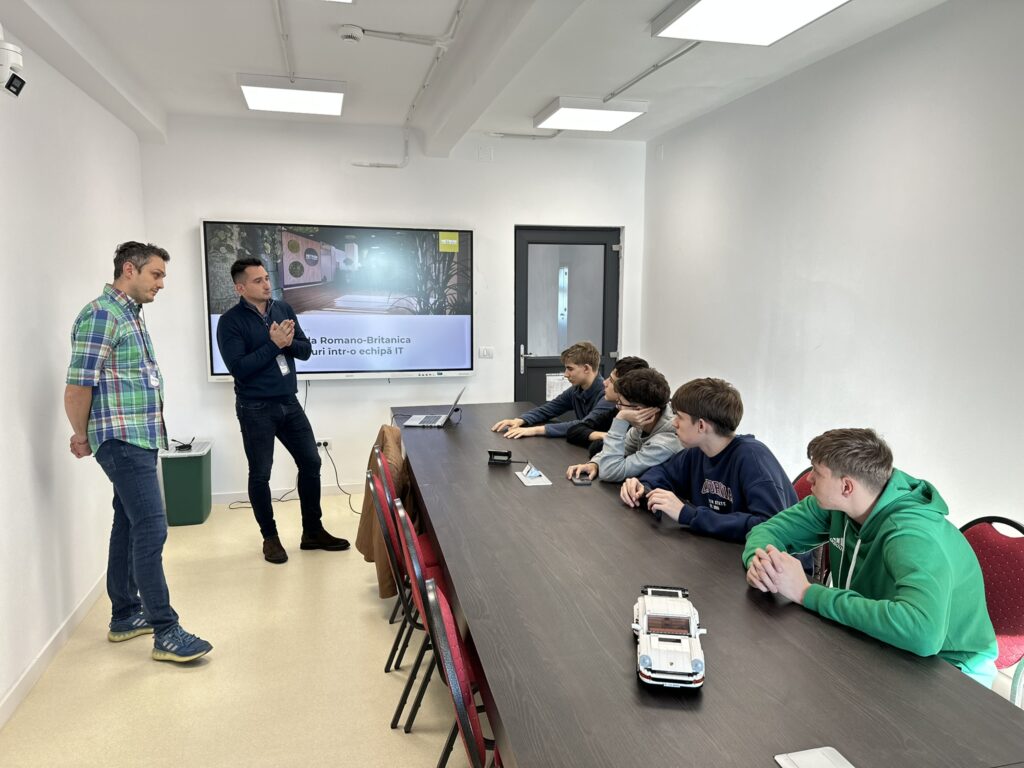
In 2025, we expanded our collaboration with a private high school in Craiova, becoming its official educational partner. This partnership builds on several years of prior cooperation and reflects a long-term commitment to supporting student development.
As part of this program, NetRom colleagues work weekly with 9th grade students enrolled in the “Informatics” specialization. Together with the school’s teaching staff, we developed a structured curriculum tailored to their educational objectives. The program starts with foundational topics, such as the roles within a software development team, required competencies, and possible career paths. It then gradually progresses to more technical subjects, including programming concepts and industry practices.
The initiative spans four years and is structured into four modules. Key topics include:
A defining characteristic of this partnership is its practical orientation. Sessions are based on real-world experience rather than theoretical presentations alone. Our teams share practical examples, project insights, and lessons learned from actual software development work. This approach aims to provide students with a realistic understanding of how the IT sector operates in practice.
Through these weekly sessions, students gain structured insight into how the IT sector operates and the range of professional roles it offers. We support them in understanding the balance between technical competencies (hard skills) and interpersonal capabilities (soft skills), encourage them to explore different career paths within software development, and discuss the mindset required to work effectively in a technology-driven environment.
This partnership can be described as a form of applied career guidance. It is based on long-term engagement and practical exposure to real industry contexts, rather than theoretical orientation alone. The initiative is aligned with our Sustainability Strategy 2025–2030, particularly within the “People & Community Rights” area, as it facilitates access to information, relevant skills, and professional direction at an important stage in students’ development.
Overall, this collaboration represents a structured investment in education, individual development, and the long-term resilience of the local community.
Each September, NetRom Software organizes the Back2School initiative, a long-standing CSR program focused on supporting children from rural communities in Dolj County and, more recently, Timiș County.
Preparation for this initiative begins well before the start of the academic year. Alongside regular business activities, our teams coordinate the planning and implementation of the campaign, which has become a recurring element of our annual CSR calendar.
Back2School was launched ten years ago with a straightforward objective: to help a limited number of children begin the school year with the necessary supplies. Over time, the initiative has developed into a structured, company-wide program supported by employee volunteering and internal coordination.
The core principle of Back2School remains consistent: facilitating access to basic educational materials so that children can start the school year under appropriate conditions. Through sustained engagement, the program has evolved into a stable component of our broader commitment to supporting education at community level.
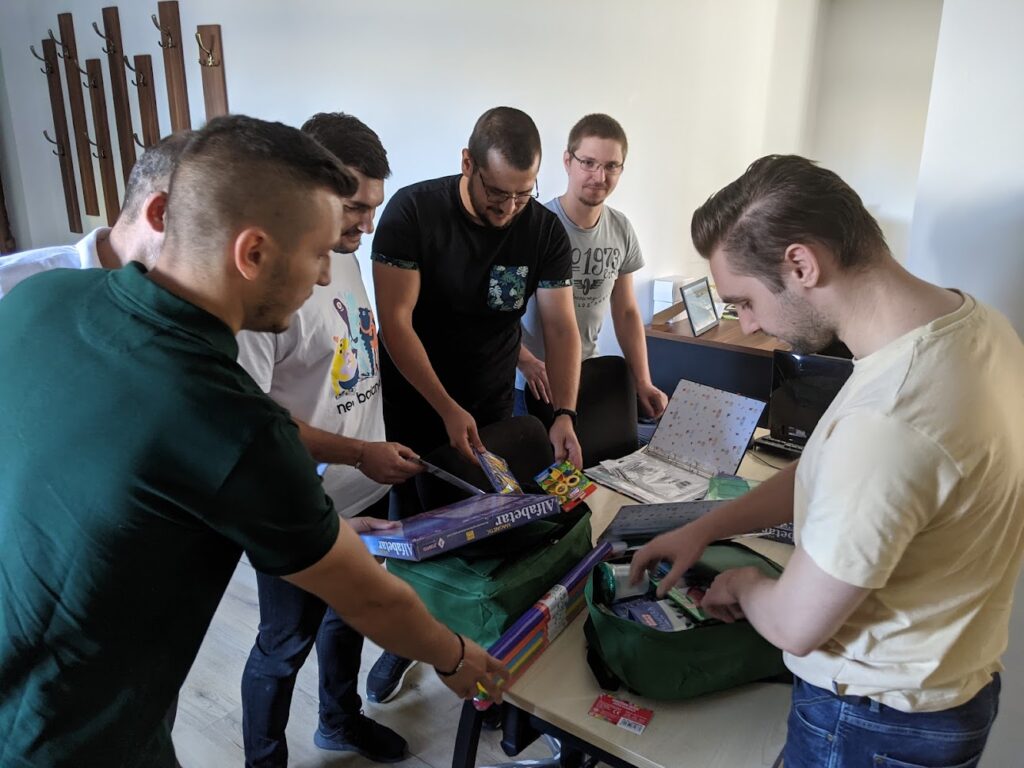
Each year, several weeks before the start of the school term, the PR & Social Group invites colleagues to participate in the Back2School initiative. Employee participation has remained consistently high, reflecting sustained internal engagement with the program.
The company provides schoolbags and essential educational materials as a baseline. Employees contribute additional items and organize the preparation process. Teams typically coordinate at office level, within project teams, or in informal groups. Each group is assigned a child from the list of beneficiaries and prepares a complete school kit tailored to the needs of that student.
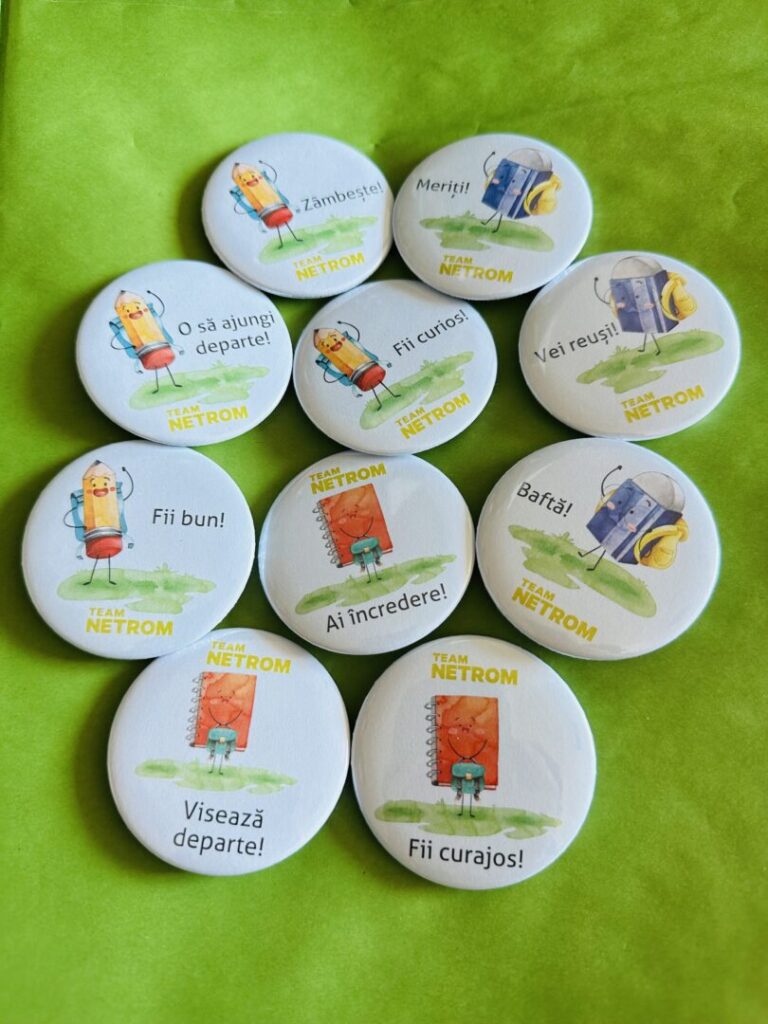
The backpacks generally include standard school supplies such as notebooks, writing instruments, and creative materials, as well as personal care items and handwritten encouragement notes. In some cases, small additional items are included. The objective is to ensure that each child receives a comprehensive and practical set of materials for the beginning of the school year.
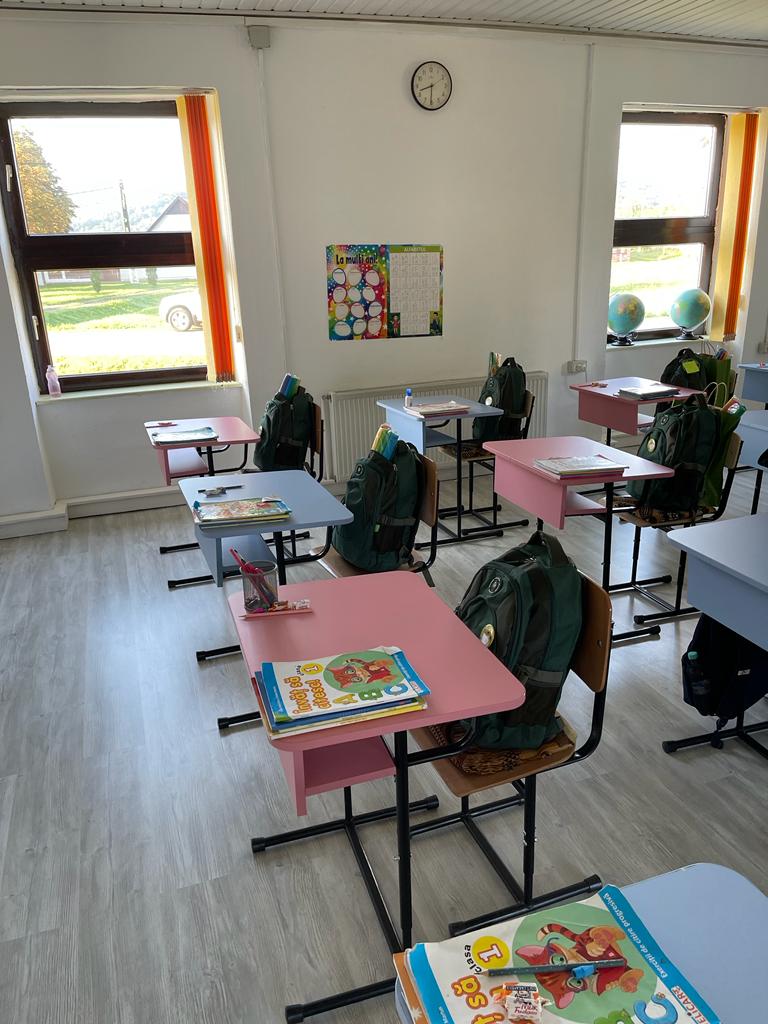
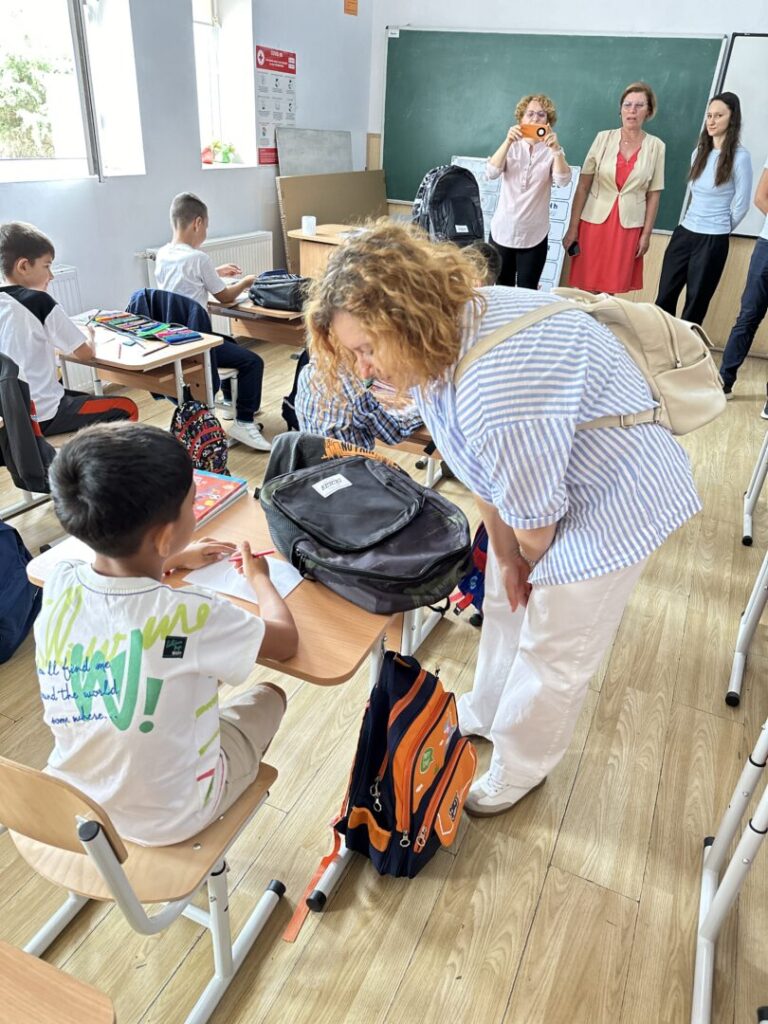
At the beginning of September, on the first day of the school year, a group of NetRom colleagues visits the selected schools to deliver the prepared materials. Many of these schools are located in rural or remote areas, where access to resources can be limited.
During these visits, the materials are distributed directly to the students in their classrooms. The interaction with teachers and students provides an opportunity for direct engagement and feedback. For the children, receiving a fully prepared backpack at the start of the school year represents practical support and recognition. For teachers, it offers additional reassurance that students are equipped with the necessary supplies. For participating colleagues, it provides visibility into the tangible outcomes of the initiative.
These visits reinforce the underlying purpose of the program: timely, targeted support can have a meaningful impact when it reaches those who need it at the right moment.
Since its launch, the Back2School initiative has supported children in rural communities where access to educational resources is limited. For many of the beneficiaries, receiving a fully equipped backpack at the beginning of the school year provides not only practical assistance, but also encouragement and a sense of inclusion.
Over the past decade, the program has reached the following communities:
The initiative initially supported a limited number of children. Over time, its scope expanded to include entire schools, covering preschool, primary, and lower secondary education levels. To date, more than 160 children have received Back2School backpacks. Each package has been prepared through coordinated employee involvement, with the objective of facilitating a positive and well-prepared start to the academic year.
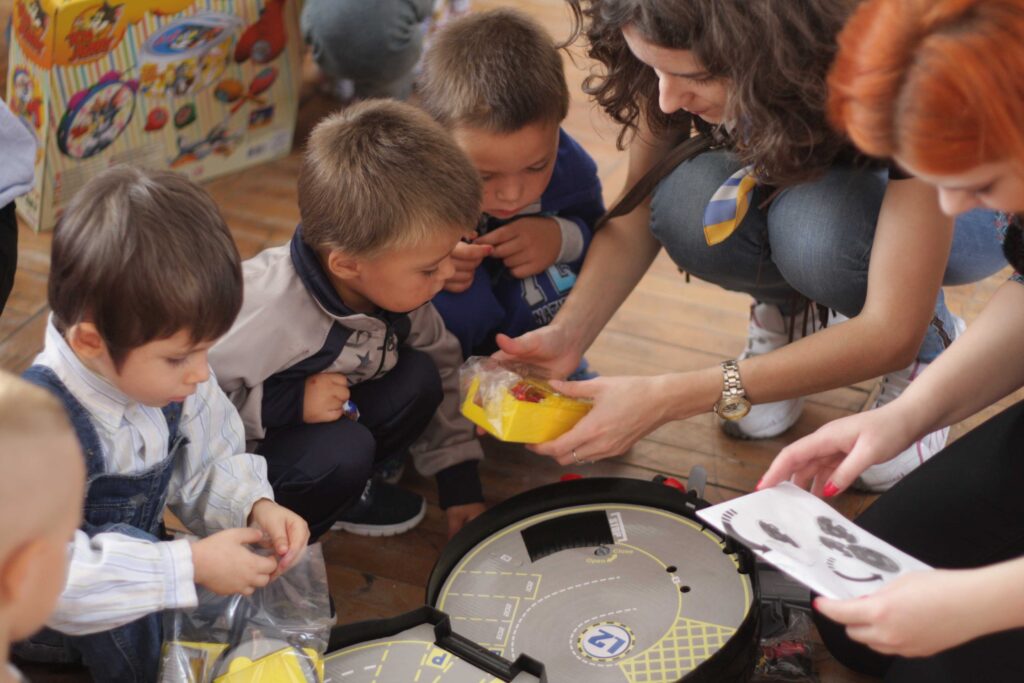
Back2School represents more than an annual donation campaign. It reflects a consistent pattern of community involvement and employee engagement within NetRom Software. The initiative illustrates a structured and sustained approach to social responsibility, carried out through voluntary participation and long-term commitment.
We consider education to be one of the most effective long-term investments in the communities in which we operate. Through Back2School, we contribute to:
In addition to its external impact, Back2School reinforces an internal culture based on responsibility, collaboration, and social awareness. It supports the development of a workplace environment in which employees are encouraged to contribute beyond their core professional roles.
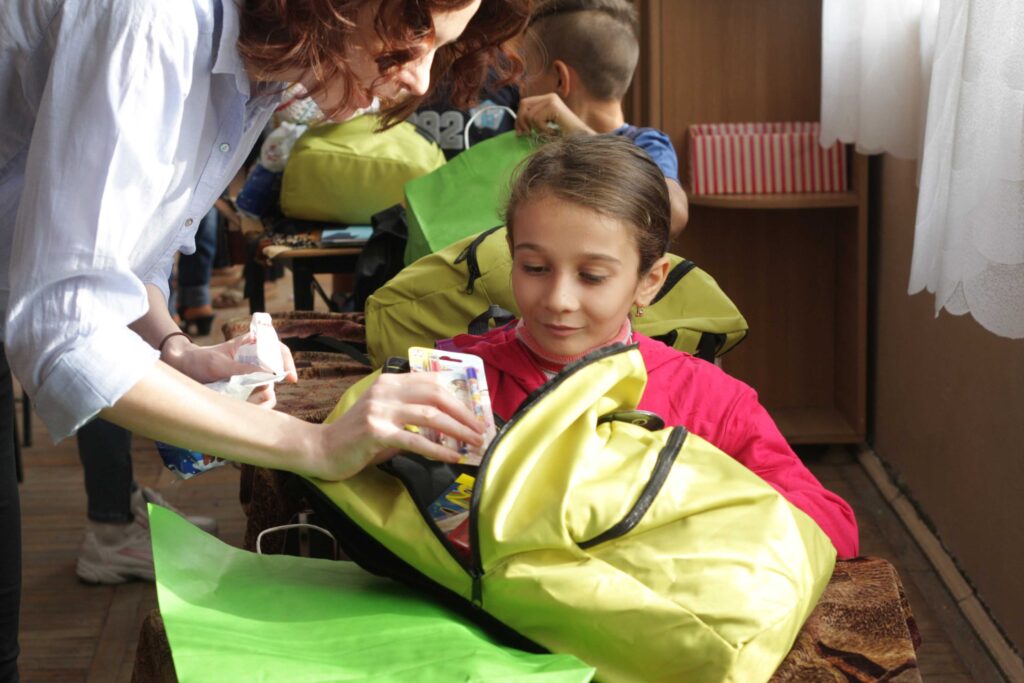
Back2School is structured as a recurring, employee-driven initiative rather than a one-time event. Each year, colleagues voluntarily choose to participate by proposing beneficiary communities, preparing school materials, coordinating logistics, and supporting on-site delivery. The continuity of the program is sustained through this consistent voluntary involvement.
In 2025, Back2School 3.0 marked an extension of the initiative into a series of activities covering the 2025–2026 academic year. The objective was to create a broader framework that enables different forms of contribution, recognizing that employees engage in community initiatives in different ways.
Within this structure, colleagues were able to contribute through financial support, hands-on involvement, or knowledge sharing. Back2School 3.0 was designed to accommodate these various forms of engagement, ensuring that participation remained inclusive and accessible.
The first phase of the campaign ran from September to December 2025, beginning on the International Day of Charity and concluding on International Volunteer Day. This stage focused on providing winter clothing kits to children in need.
Colleagues collaborated across teams and office locations to prepare personalized kits. The preparation process emphasized coordination, attention to individual needs, and respectful engagement with beneficiaries.
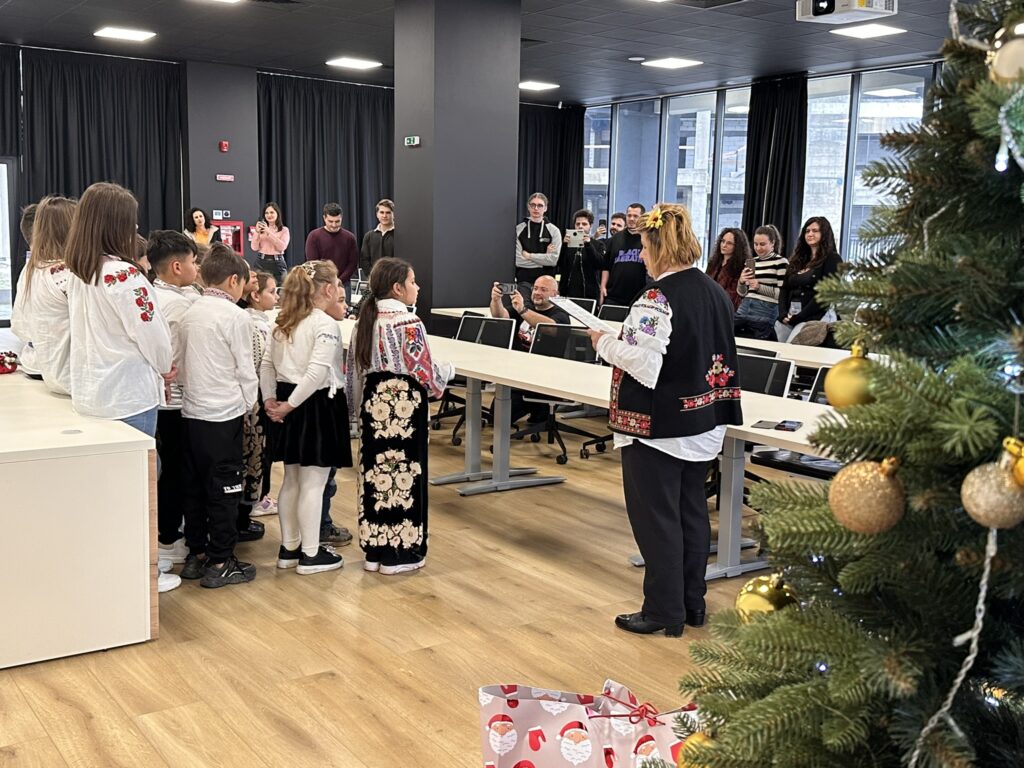
At the conclusion of this phase, the initiative introduced a new component: selected children were invited to visit the NetRom offices in Craiova and Timișoara. This marked a shift from a standard distribution process to a shared, in-person experience.
During these visits, children toured the office environment, met employees, and engaged in informal discussions about school, interests, and future aspirations. For many, this was their first exposure to a professional office setting. The interaction provided an opportunity to connect support efforts with direct engagement.
More than 240 colleagues participated in this phase, contributing ideas, resources, and time to prepare winter kits. The initiative demonstrated coordinated internal involvement across departments and locations.
Subsequent phases of Back2School 3.0 are designed to include activities focused on sustainability, education, and personal development. These stages will provide opportunities for colleagues who prefer direct interaction or knowledge-sharing formats to engage with children, parents, and educators.
By distributing activities throughout the academic year, the initiative introduces flexibility in participation. Employees can contribute at different moments and through different formats, depending on availability and preference.
The donation phase of Back2School 3.0 illustrates the broader framework of the campaign: enabling structured, people-centered community engagement. By offering multiple participation models (financial contributions, time investment, or expertise sharing) the initiative supports both community impact and sustained internal engagement.
As we continue to implement our sustainability objectives in alignment with CSRD requirements and our 2025–2030 Strategy, education will remain a central element of our CSR framework. It represents an area where our professional expertise, organizational capabilities, and long-term involvement can generate sustainable impact.
We are therefore committed to:
Within NetRom Software, we recognize that knowledge development is a continuous process that benefits from shared experience and structured guidance. By engaging in educational initiatives, we aim to contribute to an environment in which young people have access to information, practical insight, and professional direction.
Education is therefore not only a component of our CSR activities. It is a long-term investment in community resilience, professional development, and the sustainable growth of the technology sector.