Jaap Merkus on the future of software development: “AI makes good developers even better”
February 26, 2026 6 minutes

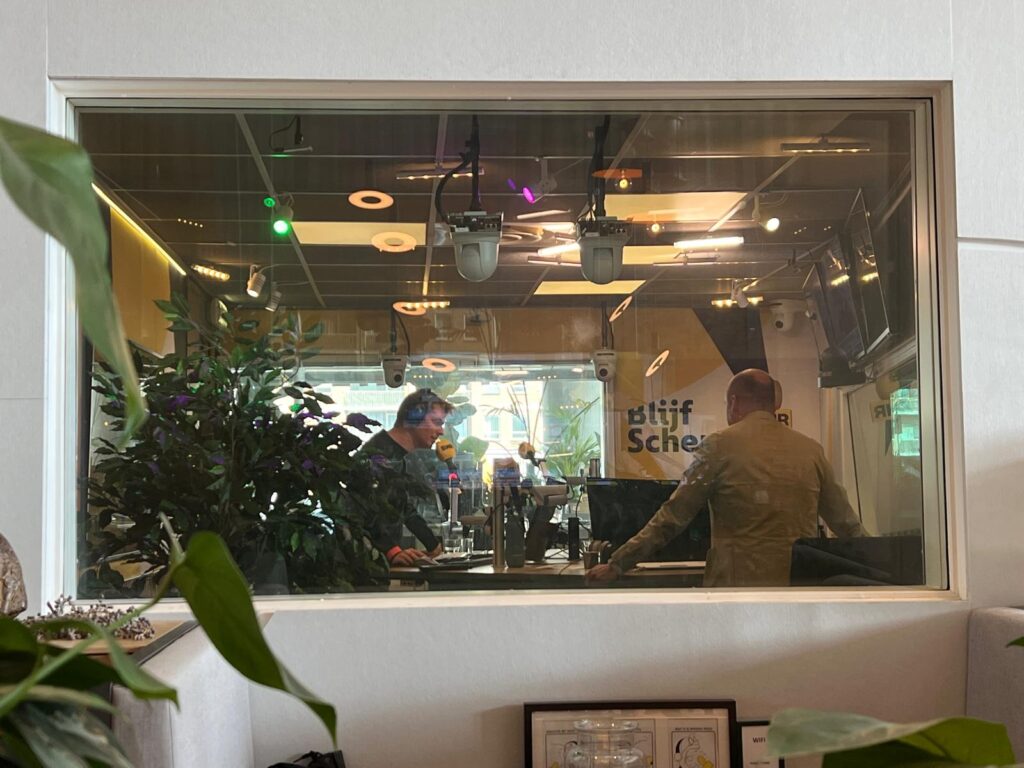
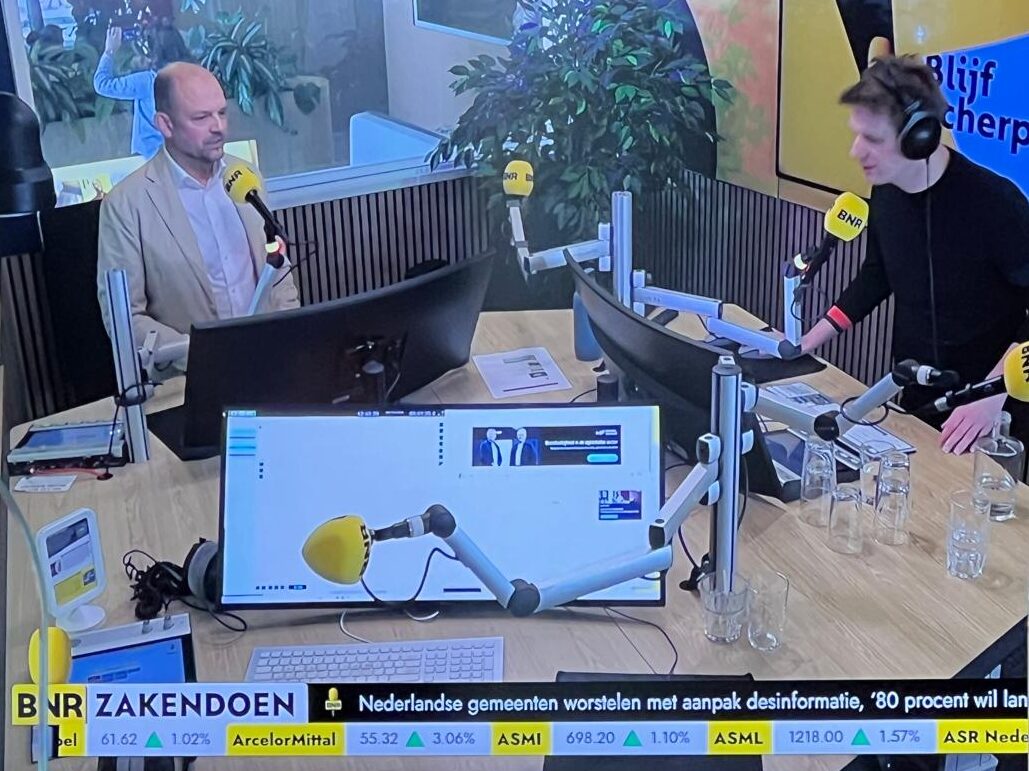
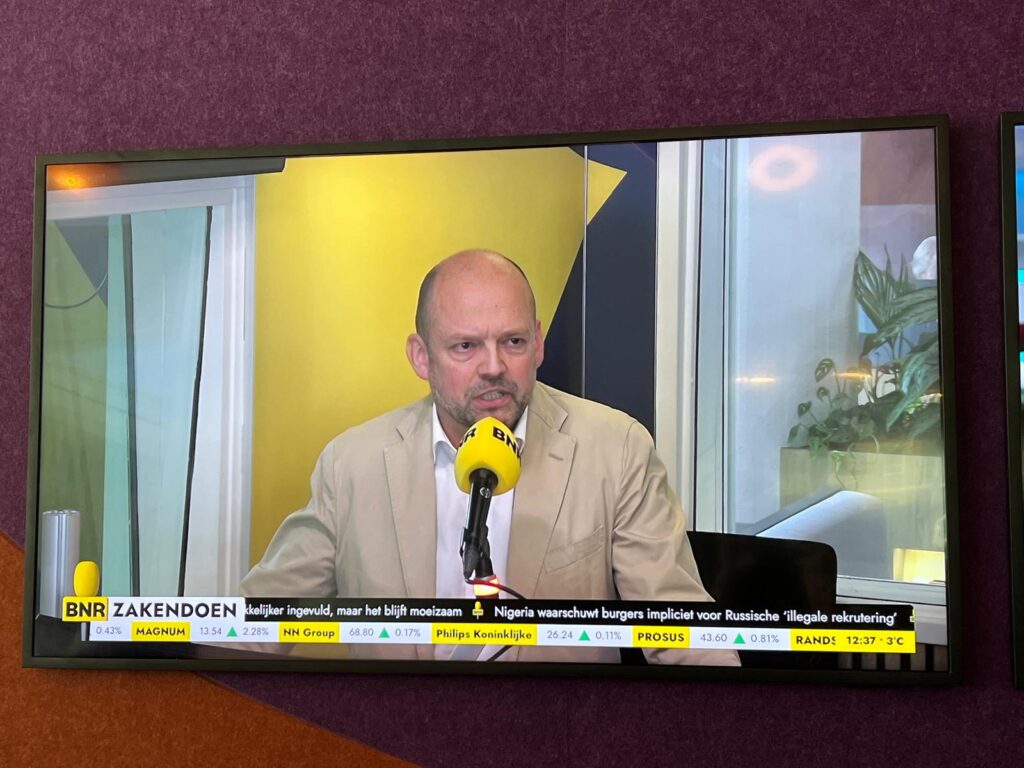
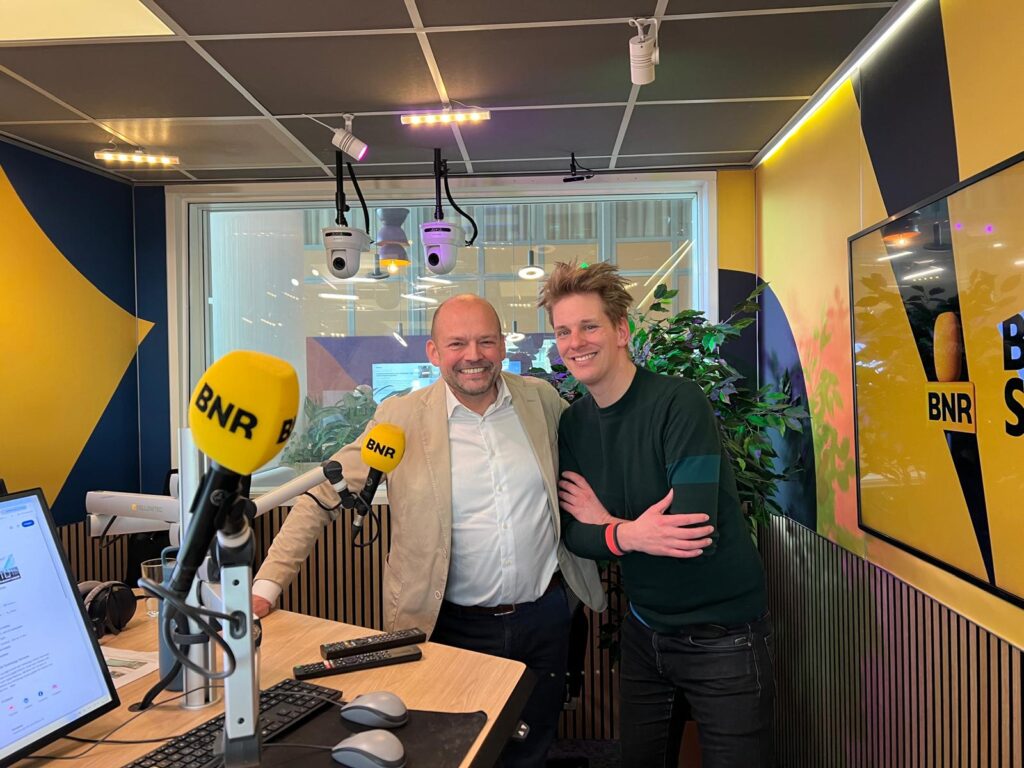
Artificial Intelligence is rapidly transforming the field of software development. But does this also signal the end of software companies? Jaap Merkus, CEO of NetRom Software, was a guest on the radio program BNR Zakendoen, where he spoke with host Thomas van Zijl about his career, the value of nearshoring from Romania, and the role of AI in the software industry.
Jaap Merkus entered the executive leadership of NetRom Software through a non-traditional path. His affinity with technology began at an early age. As a student, he wrote code and developed his first software applications. This passion eventually led him, after several senior roles in the consumer sector at Philips and Gazelle, to IT consultancy, where he focused in part on Quality Assurance, a critical component of any software development process. Since the summer of 2025, he has served as CEO of NetRom Software.
What motivates him is change and growth. “I prefer to work at a company for a longer period of time and build something sustainable. Change has been a consistent theme throughout my career. There must always be room for growth and development.” When an organization becomes too large and bureaucratic, characterized by excessive meetings and slow decision-making, he looks for a new challenge.
Taking over leadership from founder Han in ‘t Veld was a significant step. Jaap describes it as “quite challenging,” given that a founder knows the company in depth, as it is ultimately his life’s work. However, the transition proceeded smoothly. Han in ’t Veld remained involved with NetRom Software as a supervisory board member and ensured that clients understood that Jaap would be their primary point of contact going forward. At the same time, he continues to provide advice when needed.
NetRom Software has been in operation for 27 years and has developed software throughout that time for clients primarily in the Netherlands and Belgium, together accounting for approximately 70 percent of its revenue. More than half of its assignments come from SaaS companies. The remaining projects involve the development of custom software for larger enterprises that use specific applications to support critical business processes. NetRom provides both front-end and back-end development, including implementation and maintenance.
The development work takes place in Romania, following an outsourcing model known as nearshoring. This is not a coincidental choice but reflects the company’s origins. NetRom Software was founded 27 years ago with the vision that nearshoring provides added value. Romania has a strong base of highly educated software engineers, is located approximately two hours by air from the Netherlands, has only a one-hour time difference, and uses English as the primary language in the business environment. In addition, NetRom operates fully within the European Union and complies with all relevant European regulations, including the General Data Protection Regulation (GDPR).
Clients of NetRom Software are not looking for an execution-only vendor, but for a true partner. “They want someone who speaks the same language, understands the technology in depth, continuously contributes ideas, and takes initiative,” Jaap explains. To strengthen this collaboration, clients typically visit the NetRom Campus the Romanian city of Craiova two to three times per year. Jaap himself visits the headquarters in Romania at least once a month.
NetRom Software currently generates annual revenue of approximately 40 million euros. Its ambition is clear: within two to three years, the company aims to grow revenue to 80 million euros. The focus is on organic growth and international expansion. In the Netherlands and Belgium, NetRom has established a solid market position. Through its existing network, clients from Germany are already engaging with the company. However, to accelerate further growth, a more proactive market approach is required. In practice, this means building relationships and actively approaching new markets.
With 500 employees and in-depth domain knowledge across various industries, specialized expertise is one of NetRom’s primary strengths. Clients value the distinctive combination of breadth, depth, and consistency the company provides.
The most discussed topic in the conversation on BNR Nieuwsradio was inevitably Artificial Intelligence. Will AI lead to reduced demand for software development service providers, or even make them redundant? Jaap takes a nuanced position. AI is fundamentally changing the field, but he places the perceived threat in perspective by referring to the daily reality of a software developer’s work.
“There is a persistent misconception about what software developers do all day. In practice, a developer spends only about ten percent of their time actually writing code. The remaining ninety percent is devoted to analysis and coordination: understanding client requirements, reviewing sprint objectives, assessing previous work, and aligning with colleagues.”
It is precisely in this preparatory and analytical phase that AI can play a valuable supporting role. It can accelerate certain activities, although Jaap deliberately avoids speculating about exact productivity gains. More important than speed is the impact on quality. He refers to a widely shared observation within the IT sector: AI makes good developers even better. The reverse is also true. Developers with insufficient expertise may use AI to produce lower-quality software.
For NetRom Software, the conclusion is clear. “It is our responsibility to demonstrate that, with the support of AI, we deliver even better software: faster, with smoother collaboration, with new ideas, and ultimately with higher quality. The standard will rise, and as long as we meet that standard, there will continue to be strong demand for our services.”
Another important topic discussed is the position of junior developers in the labor market. AI is increasingly automating tasks that were previously typically performed by junior developers, such as drafting documentation. This development can make entry into the job market more challenging for early-career programmers.
At the same time, Jaap highlights another perspective. Junior developers are often quick to adopt and apply new AI tools. However, the core of the profession remains unchanged: a solid foundation in computer science. For this reason, NetRom Software deliberately invests in the development of its own employees through the NetRom Academy, an internal training program designed to prepare staff for future technological challenges.
In the competitive Romanian labor market, attracting talent is not self-evident. NetRom Software addresses this by consistently investing in an engaging learning and working environment for its employees, an approach that has been applied successfully for many years and continues to deliver results.
Interested in the full conversation? Listen to the interview in BNR Zakendoen, in which host Thomas van Zijl speaks with Jaap Merkus, available via BNR.nl. Keep in mind that the interview is in Dutch.
